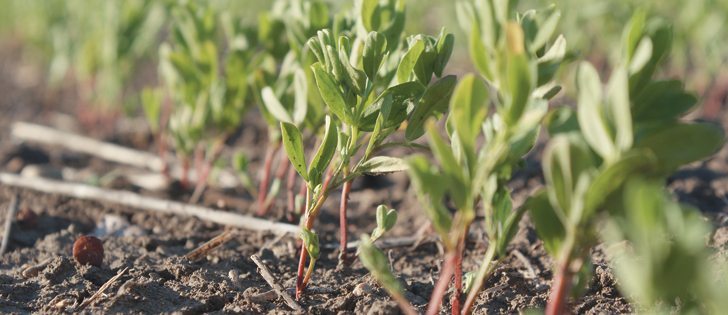
Important cultivation crops
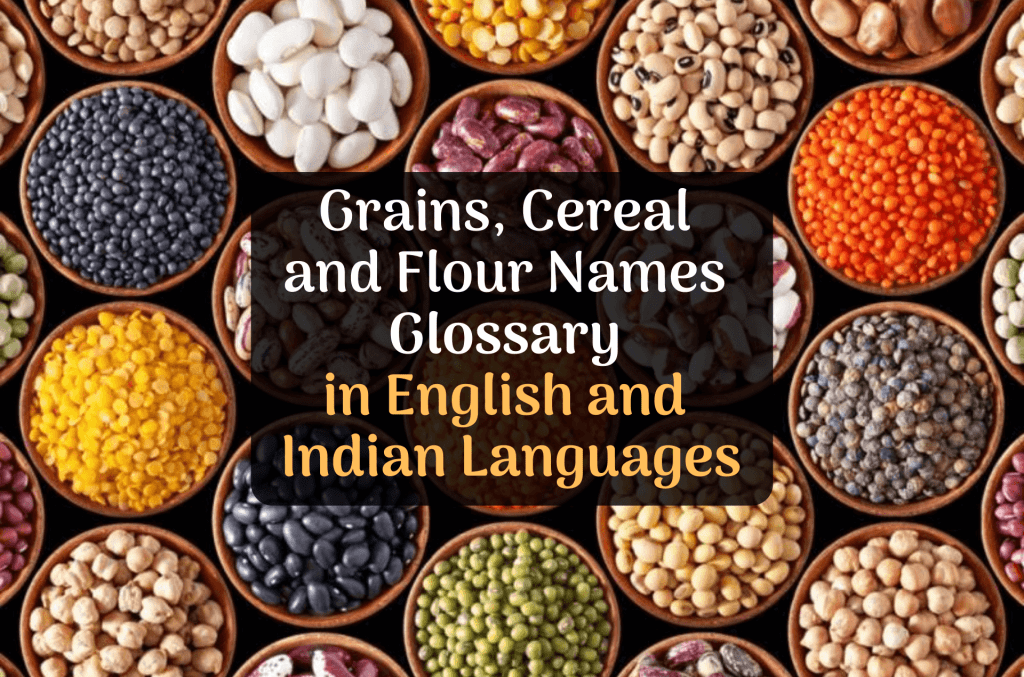
What is the difference between pulses and grains?
Grains are hard seeds without any attached hull or fruits. Pulses are a type of legume which produces a grain seed in a pod, where the dried seed is harvested. … In simpler words all raw fresh fruits and vegetables are alkaline and all cooked grains, pulses and legumes are acidic.
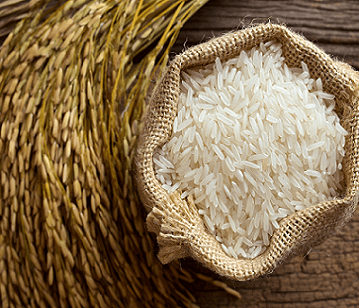
1)Rice
1)How much water does need for its cultivation?
A general rule is that a rice crop will need approximately 10mm of water per day. Therefore a crop that matures in 100 days will require approximately 1000mm of water while a crop that matures in 150 days will require 50% more.
2)Which type of soil it need and and where it produces most in India?
Rice grows on a variety of soils like silts, loams and gravels. It can tolerate alkaline as well as acid soils. However, clayey loam is well suited to the raising of this crop.
…
Rice Production by State.
States : West Bengal
Rank (2014–15) : 1
3) Weather and monthly time to cultivate it?
The main rice growing season in the country is the ‘Kharif’. It is known as winter rice as per the harvesting time. The sowing time of winter (kharif) rice is June-July and it is harvested in November-December.
2) Wheat
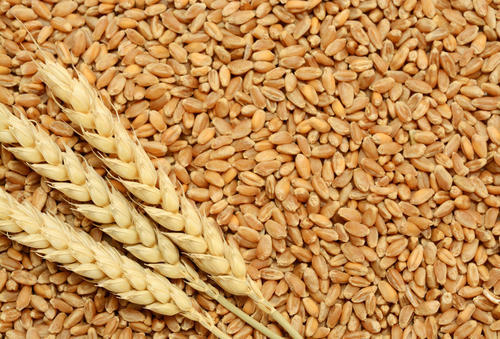
1)How much water does need for its cultivation?
The water need of a crop thus consists of transpiration plus evaporation.
…
2.4 DETERMINATION OF CROP WATER NEEDS.
Crop water need (mm/total growing period)
Wheat:450-650
2)What type of soil need and where it produces most?
Soils with a clay loam or loam texture, good structure and moderate water holding capacity are ideal for wheat cultivation.
Major wheat growing states in India are Uttar Pradesh, Punjab, Haryana, Madhya Pradesh, Rajasthan, Bihar and Gujarat.
3) Weather and monthly time to cultivate it?
Wheat is mainly a rabi (winter) season crop in India. Wheat is grown in a variety of soils of India. Soils with a clay loam or loam texture, good structure and moderate water holding capacity are ideal for wheat cultivation.In India, wheat is grown during the winter or rabi season. The crop is sown during November-December and harvested around April.
3)Corn
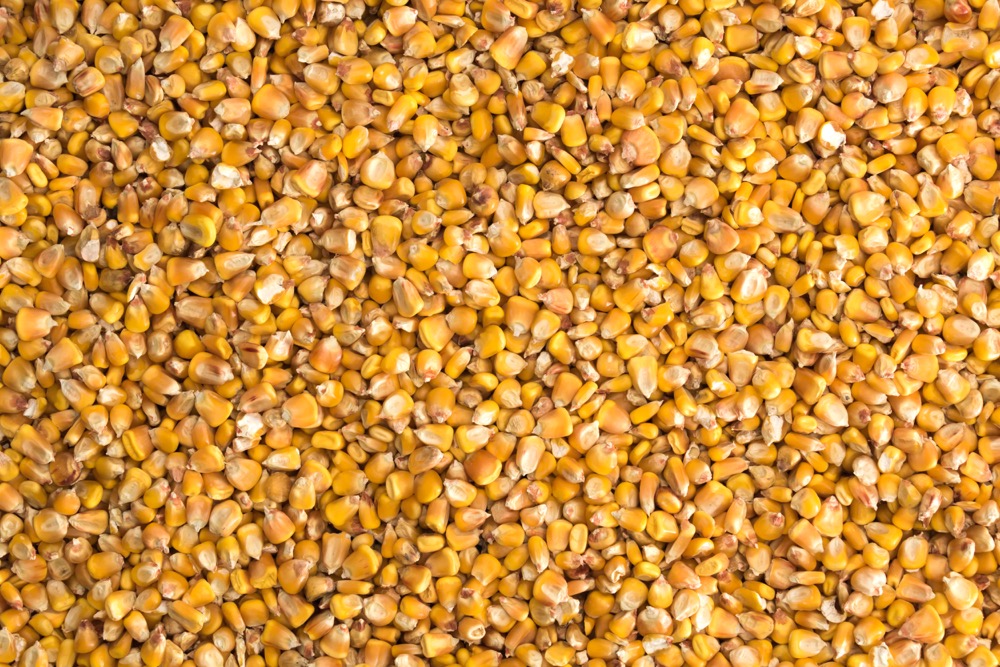
1)How much water does it need for its cultivation?
Crops need water for transpiration and evaporation (see Volume 1, Section 4.2).
…
2.4 DETERMINATION OF CROP WATER NEEDS.
Crop water need (mm/total growing period)
Maize: 500-800
2) What type of soil need and where it produces most in India?
It can successfully be grown in well-drained soils with pH of 5.5-7.0. However, it may be grown in all types of soil and is moderately salt-tolerant. Places where sweet corns are to be grown must have facility for 5-6 irrigations.
The predominant maize growing states that contributes more than 80 % of the total maize production are Andhra Pradesh (20.9 %), Karnataka (16.5 %), Rajasthan (9.9 %), Maharashtra (9.1 %), Bihar (8.9 %), Uttar Pradesh (6.1 %), Madhya Pradesh (5.7 %), Himachal Pradesh (4.4 %).
3) Weather and monthly time to cultivate it?
In India, maize is traditionally grown in monsoon (Kharif) season, which is accompanied by high temperature (<35° C) and rainfall. However, with the development of new cultivars and appropriate production technology, winter cultivation of maize has emerged as a viable alternative.
In kharif season, crop is sown in month of May end to June corresponding with the onset of monsoon. Spring crops are sown during late February to end of march. Plantation of baby corn can be done all the year round, except December and January. Kharif and rabi season are best for sweet corn sowing.
4) Sorghum
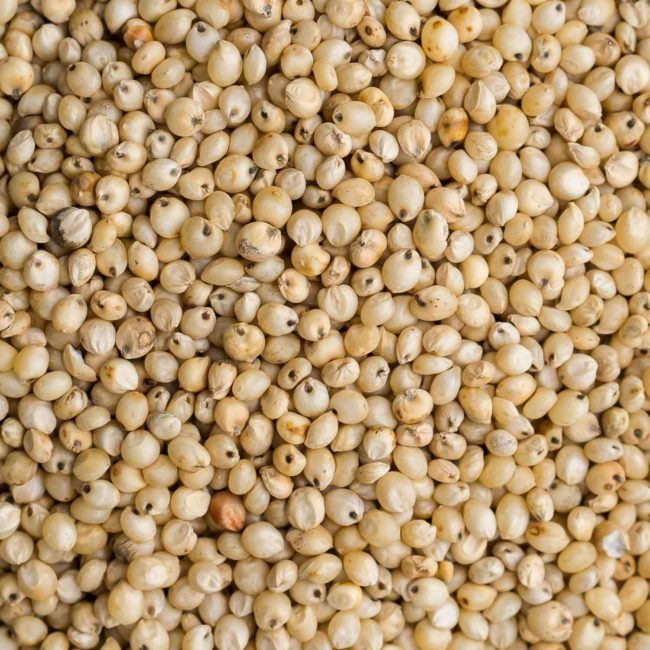
1)How much water does need for its cultivation?
approximately 450 to 650 mm of water during a growing season (19,64).
2) Which type of soil it need and where it produces most?
Grain sorghum has traditionally been grown on soils with a pH of >6.5 [2]; however, a review of soil test results in 2005 by the Potash and Phosphate Institute [3] observed that 46% of the tested samples in Oklahoma had a soil pH of <6.0.
Maharashtra
Production(000 Tonnes)
2017-18
Sr No. State Production
1 Maharashtra 1,810.00
2 Karnataka 1,130.00
3 Madhya Pradesh 570.00
3) Weather and monthly time to cultivate it?
The crop grown during southwest monsoon season (June-September), popularly known as Kharif sorghum and the crop grown during post-monsoon season under conserved moisture conditions is known as rabi sorghum.
5)
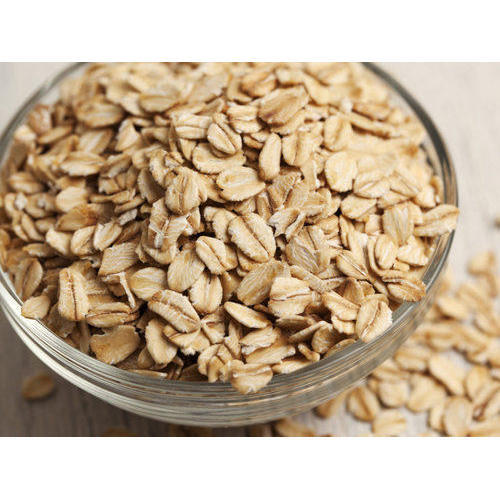
1)How much water does it need for its cultivation?
Rolled oats take about 145 gallons of water to grow 1/2 pound of oats, or about 1 cup. Like almond milk, oat milk generally has a ratio of 1:4 cups of oats to water, sometimes with an additional cup or two to soak the oats in beforehand.
2)What type of soil it need and where it produces most in India?
Soil. It can be cultivated on all kinds of soil. Well drained loamy soil rich in organic matter is suitable for cultivation. pH range of 5 – 6.6 is optimum for oats.
In India, Punjab, Haryana, UP and limited areas in MP, Orissa, Bihar, West Bengal are the Oats growing states.
3.Weather and monthly time to cultivate it?
After 75 to 85 days of sowing, 50% of the oat crop can be harvested. … First harvest of the plants should be done at a height of 4 to 5 centimeters. They are fully mature and ready to harvest after 4-5 months of sowing or you can say they can be harvested in early April month.
6)
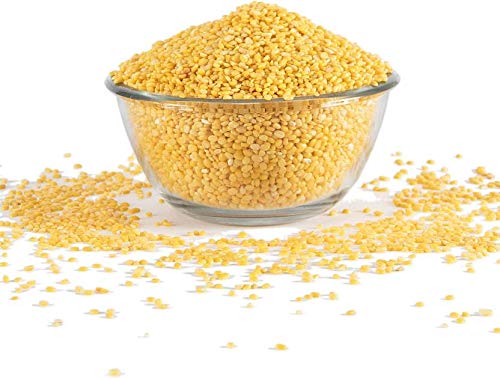
1.How much water does it need for its cultivation?
For rainfed crops, irrigation is not mandatory but other than rain-fed crops, it needs 2 to 3 irrigations. Critical stages of irrigation at flower initiation which is 35 days after sowing, Pod filling 55 days after sowing. The water requirement in the Moong Dal crop is 300 mm to 400 mm.
2.What type of soil does it need to cultivate it and where it produces most in India?
Moong Dal can be cultivated on a wide range of soil. It gives the best results when grown on well-drained loamy, sandy-loam soils. Waterlogged and saline soils are not suitable for cultivation. Loam to sandy loam soils is considered the best soil for mung bean cultivation.
2.3 State-wise area, production and yield : Maharashtra is the largest producer of Green gram accounting nearly for 23.05 percent of the total production followed by Karnataka (17.46 percent), Andhra Pradesh (17.39 percent), Bihar (14.69 percent), Rajasthan (7.50 percent) Page 6 and Tamil Nadu (7.25 percent).
3.Weather and monthly time to cultivate it?
Optimum time for kharif sowing is first fortnight of July. Optimum time for summer moong cultivation is from March to April. Use row spacing of 30 cm and plant to plant spacing of 10 cm for Kharif sowing. For Rabi sowing use row spacing of 22.5 cm and plant to plant spacing of 7 cm.
7)
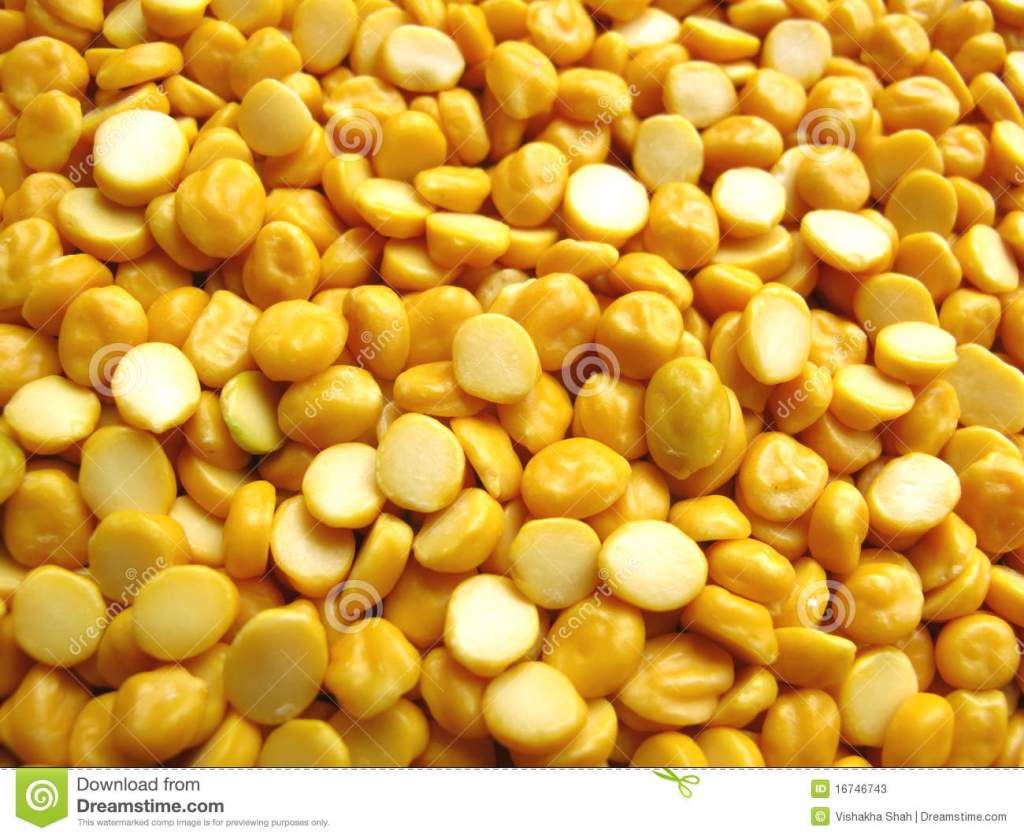
1.How much water does it need to cultivate it?
Growing. The seeds should sprout within 10 to 14 days. Water regularly and evenly throughout the growing season to keep the soil moist. In cooler areas, chickpea plants will need about an inch of water per week; in warmer climates, they may need double that amount.
2.Which type of soil does it need to cultivate and where it produces most in India?
This crop is grown on moderately heavy soils, black cotton soils, and sandy loam soils. However, Fertile sandy loam to clay loam soils with good internal drainage are best suitable for its cultivation . Soils should not be heavy alkaline in nature. Ideal PH range of 5.5 to 7.0 is suitable for chickpea farming.
Andhra Pradesh
The per hectare yield of chickpea is highest in Andhra Pradesh followed by Bihar and Gujarat (Table 1) In Maharashtra, the area under the total pulses was 3.38 million ha , production 2.37 million tonnes and productivity 702 Kg ha -1 , whereas, in India in 2009- 10, 23.28 million ha area was under these pulses, with …
3.Weather and monthly time to cultivate it?
Crop season and sowing time: Chickpea is grown in rabi (postrainy season) following a kharif (rainy season) crop or kharif fallow. The sowing is done in the month of October or November. … Field preparation: Chickpea plants are highly sensitive to poor aeration in the soil.
8)

1.How much water does it need to cultivate it?
Pigeon Peas require 35-40 cm water, during its entire growth period. Optimum moisture is necessary during budding, flowering and pod formation stages. As Red gram is a rain-fed crop grown in assures rainfall areas, usually, it does not require any irrigation.
2.What type of soil does it need and where it produces most in India?
This crop grows well on all types of soils but loam to sandy loam soil is suitable. This crop also does well in sloppy lands in the mid-hills. It can be grown successfully on neutral soils having a pH range of 6.5 to 7.5.
3.Weather and monthly time to cultivate it?
Arhar crop grown successfully in summer, rainy and winter season, April-Summer, June-Kharif or rainy, September-Rabi or winter season. … Toor Dal (Arhar) needs moist and warm weather i.e. 30–35°C during germination and slightly lower temperature (20-25°C) during active vegetative growth.


 Smartness Knowledge
Nice thanks for the information 😎😃
LikeLike